
Which Synovus routing number supports your transaction?
A single digit error can delay corporate payroll or stall international liquidity. Understanding the distinction between ACH transit numbers and Domestic Wire identifiers is the first step in secure fund management.

Core Routing Identifiers
Synovus operates across multiple regional jurisdictions. While many services have consolidated, specific legacy accounts and transaction types require precise ABA identification.
Direct Deposit & Bill Pay
Utilized for automated clearing house transactions including payroll, tax refunds, and routine vendor payments. This 9-digit number is standard for most domestic retail banking.
Real-Time Gross Settlement
For high-value, time-sensitive transfers. Wire routing numbers may differ from ACH transit numbers in certain legacy Georgia and Florida markets.
SWIFT / BIC Codes
Required for all international transfers originating outside the United States. Providing a domestic routing number to a foreign bank will result in rejection.
Locating Data on Physical Instruments
The Routing Number
Located at the far-left bottom edge of your check. This 9-digit code identifies the financial institution responsible for the payment.
Account Number
The central string of digits. This is unique to your specific personal or commercial deposit account within the Synovus network.
Check Sequential Number
The final set of digits, matching the number printed in the top right corner of the document.
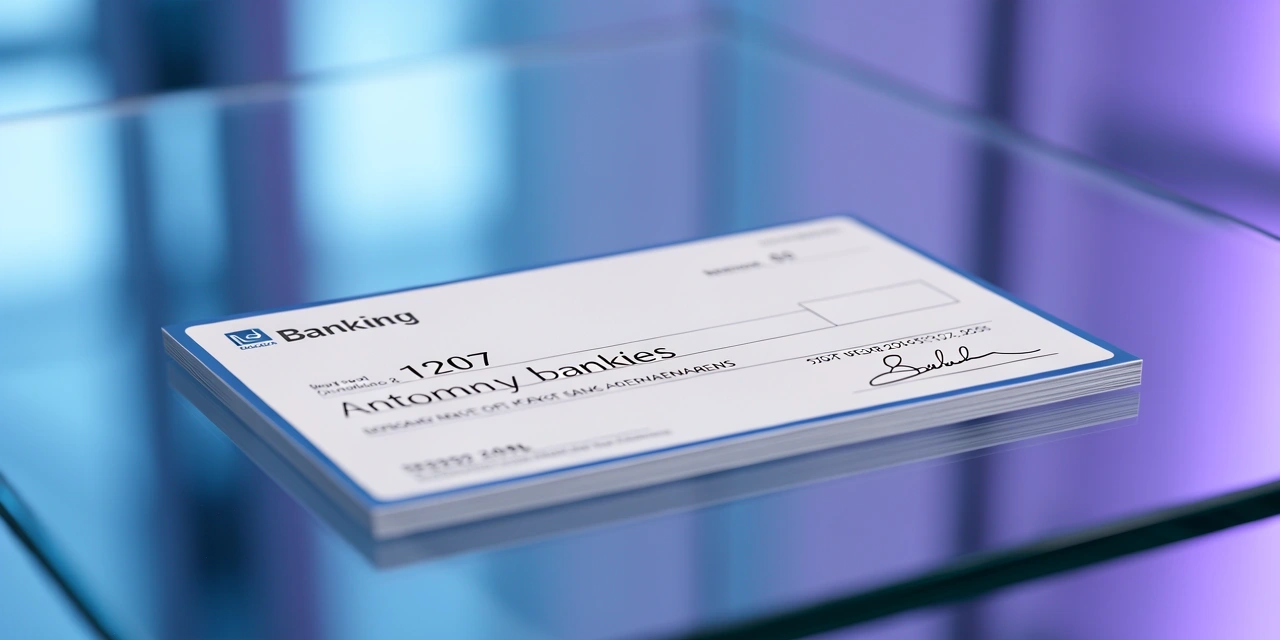
Reference: Federal Reserve Regulation CC Compliance
Transfer Decision Matrix
Choosing the correct rail depends on your requirements for speed, cost-efficiency, and finality of settlement.
- Same-day ACH capability
- Fedwire Participation
- Real-time balance updates
| Service Type | Speed | Settlement | Recommended Use |
|---|---|---|---|
| Standard ACH | 1-3 Business Days | Batch processing | Recurring bills, consumer payments |
| Domestic Wire | Near Instant | Final / Irrevocable | Real estate closings, urgent corporate capital |
| International SWIFT | 3-5 Business Days | Subject to intermediary | Vendor payments across borders |
| Direct Deposit | Same Day / Next Day | Guaranteed Funds | Salary, social security, dividends |
Verification Protocol
Always verify routing information with the recipient before initiating large-scale transfers. Synovus Gateway Portal users can verify outgoing wire instructions via our secure messaging system to mitigate invoice spoofing risks.
Navigating Regional Nuances
For many long-term customers, the routing number printed on a checkbook issued several years ago may differ from the currently preferred transit number for the synovus bank gateway. This is often the result of regional bank consolidations. While legacy numbers usually remain active for inbound credits for a transition period, utilizing the updated routing identifiers listed on this page ensures the fastest possible settlement cycles.


Effective cash flow management requires more than just knowing a sequence of nine digits. For mid-sized businesses, the synovus gateway login provides access to virtual account structures. These allow departments to share a master routing number while maintaining individual account identifiers for granular reporting. This separation is vital for accurate reconciliation during tax preparation or audits.
Furthermore, the rise of fraudulent invoicing—where a bad actor requests a "change" to banking instructions—makes routing number verification a critical business process. We recommend all synovus personal bank account holders and corporate treasurers implement a secondary, out-of-band communication check (such as a direct phone call to a known representative) before updating any wire instructions in their systems.
Ready to authorize a transfer?
Log in to the Synovus Gateway Portal for secure domestic and international payments.